The Research Institute of Whitecliffe University of Applied Sciences is the central institutional platform for initiating, supporting, coordinating, and advancing research across the University. It promotes practice-oriented, interdisciplinary, and socially relevant scholarship by assisting faculty and staff throughout the entire research cycle: from the development of an initial research idea and the formulation of a rigorous research design to project implementation, data analysis, dissemination, and the preparation of follow-up applications.
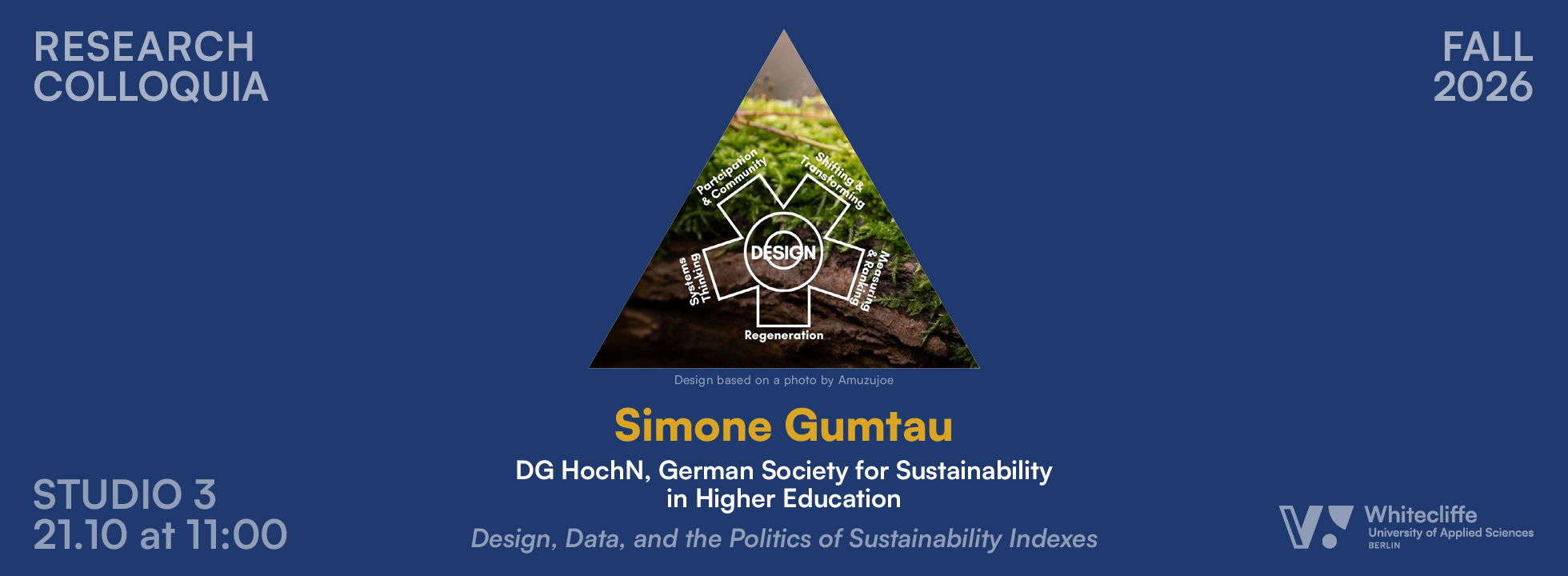
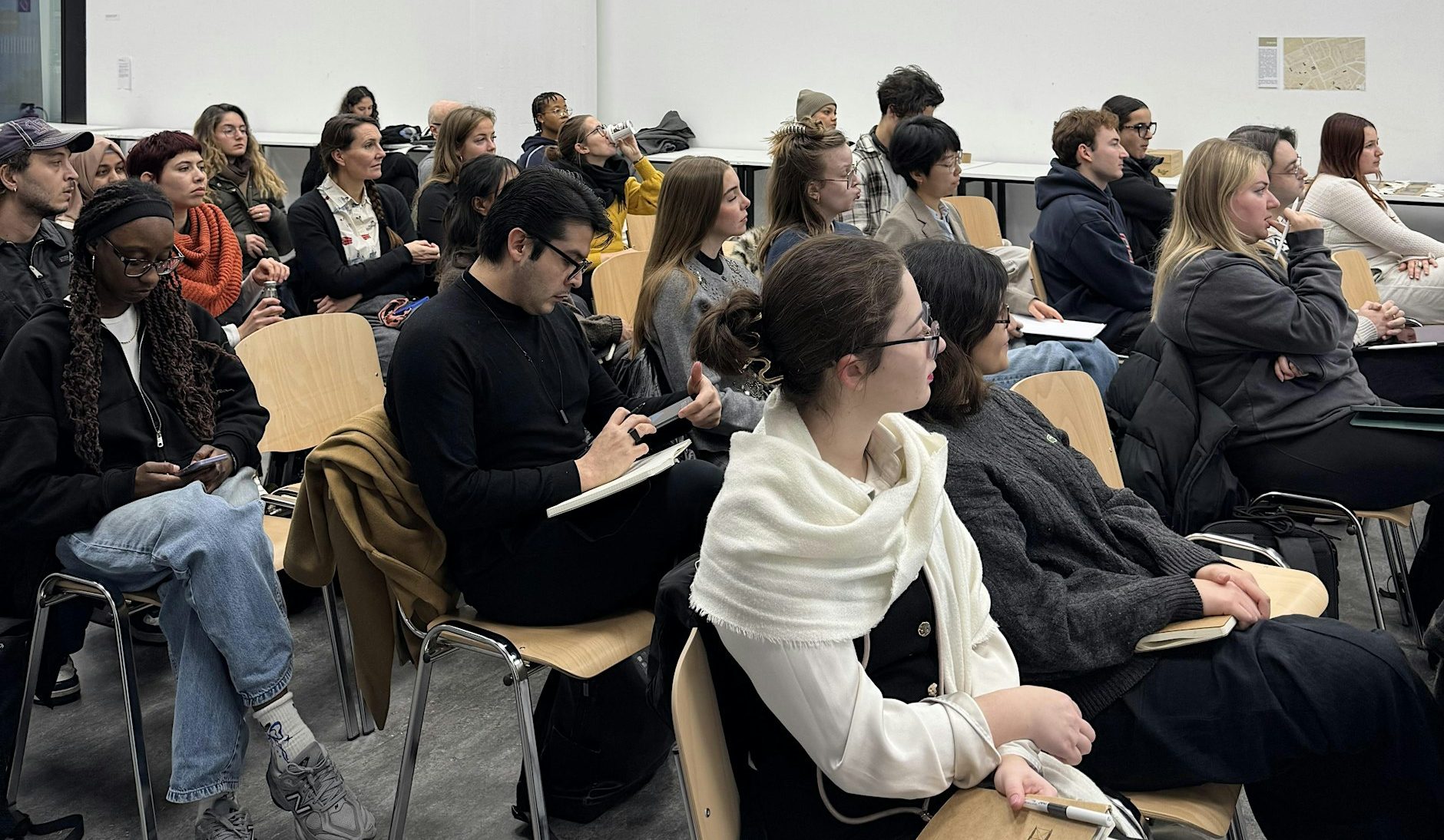
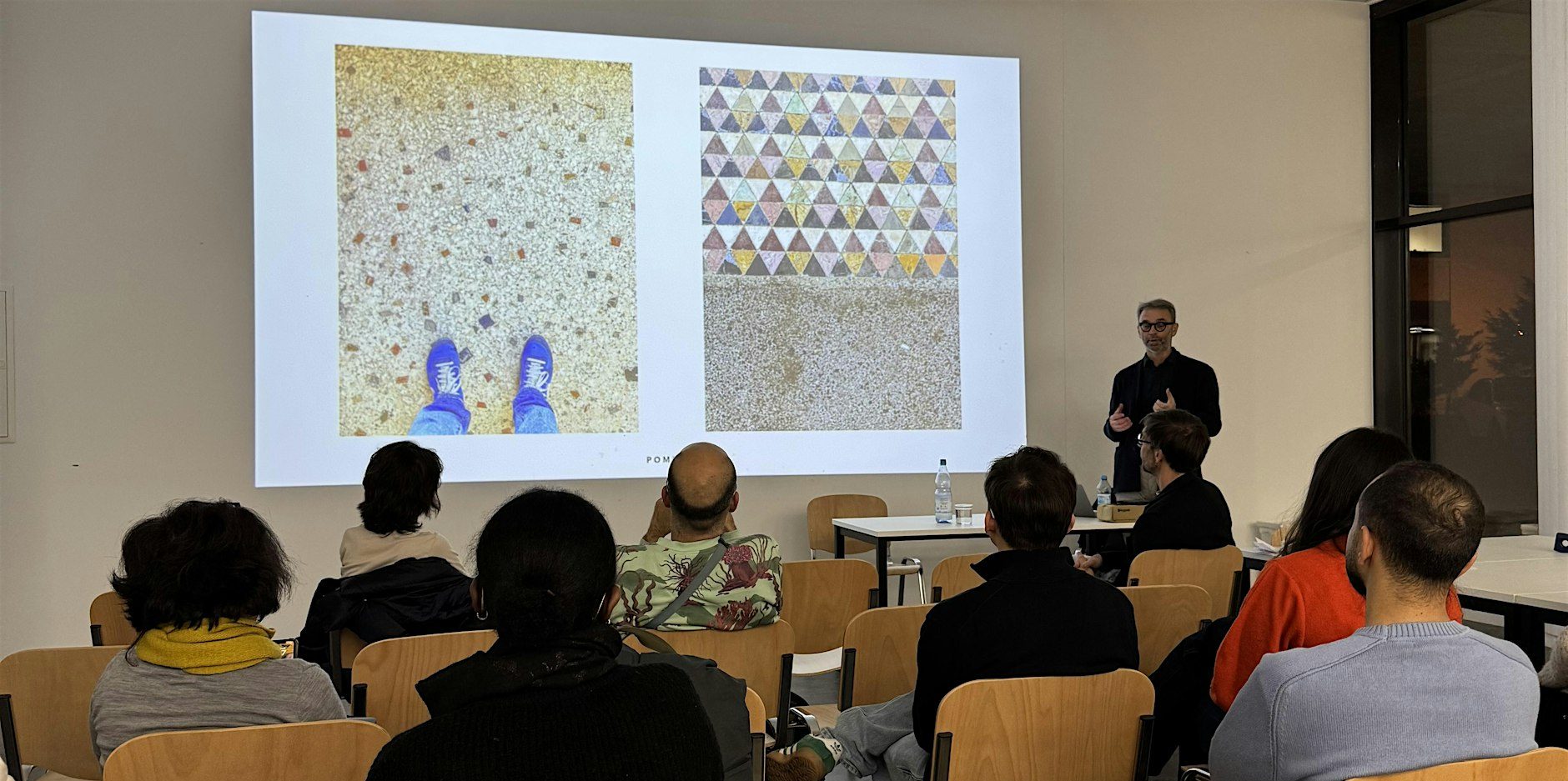
A central task of the Institute is to cultivate a vibrant research culture within Whitecliffe University of Applied Sciences. To this end, it organizes a research colloquium each semester, providing an academic forum in which researchers can present work in progress, discuss methodological and theoretical questions, receive constructive feedback, and develop interdisciplinary collaborations. The colloquium also supports the visibility of ongoing research and encourages exchange between established researchers, early-career academics, and research-active professional staff.

The Institute prepares and supports the meetings of the Research Commission. In this capacity, it contributes to the strategic development of the University’s research profile, coordinates relevant documentation and decision-making processes, and supports the communication of research-related policies, priorities, and initiatives across the institution. Through this work, the Institute helps align individual projects with the University’s broader objectives in research, knowledge transfer, and institutional development.
The Institute provides individual methodological consultation for qualitative, quantitative, mixed-methods, and design-based research. It supports researchers in formulating research questions, identifying suitable methodological approaches, developing data-management plans, preparing funding applications, and organizing the collection, documentation, analysis, and visualization of empirical material. For funded projects, the Institute facilitates access to appropriate workspaces, technical resources, and organizational support, thereby strengthening the conditions for sustainable, high-quality research.
Research ethics, integrity, and responsible research conduct form another core area of responsibility. The Institute advises faculty on ethical questions arising in research projects, including informed consent, privacy and data protection, potential risks to participants, the treatment of vulnerable groups, and the ethical implications of research outcomes. This advisory role supports researchers in meeting applicable legal requirements, disciplinary standards, and professional responsibilities while retaining their responsibility for the design and conduct of their projects.
The Institute is also committed to the development and safeguarding of good scientific practice. It promotes the principles of academic integrity, transparency, careful documentation, responsible authorship, secure handling of research data, fair collaboration, and accountability in supervision and research leadership. It provides information and guidance on preventing research misconduct and contributes to a research environment in which concerns can be raised and addressed responsibly.
As research liaison for the Faculty of Business Administration and the Faculty of Architecture and Design, the Institute brings together expertise from management, the built environment, design, technology, culture, and society. It creates productive connections between research traditions that are often institutionally separated, enabling innovative work on complex contemporary challenges. Through collaborations with local, regional, national, and international partners—including public institutions, businesses, professional bodies, civil-society organizations, and academic networks—the Institute strengthens Whitecliffe University of Applied Sciences’ research profile and enhances the practical, scholarly, and public impact of its research.